
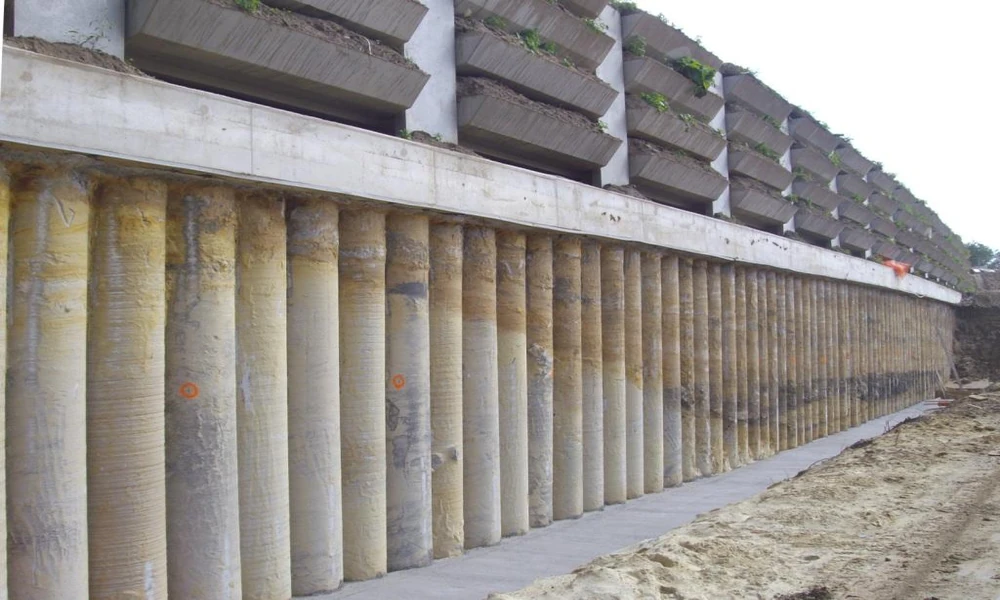
Few sights are as dramatic as a high-rise slowly climbing skyward, but the real story starts below the surface. When architects and engineers need to anchor structures to bedrock, heavy wall piling pipe isn’t just an option, it’s the backbone of deep foundation work that keeps buildings upright, bridges steady, and waterfronts intact.
The Critical Role of Heavy Wall Piling Pipe in Deep Foundation Projects
Heavy wall piling pipe is engineered to do one thing exceptionally well: transfer the enormous weight of a structure down through unstable soil, clay, or fill until it reaches something solid. Unlike shallow footings, which can shift or settle in poor conditions, heavy wall pipe piles provide a direct path from the structure above to firm ground or bedrock below. This isn’t theory; it’s the reason why modern cities are filled with buildings that reach astonishing heights despite being built on less-than-ideal terrain.
How Heavy Wall Piling Pipe Transfers Structural Loads
The secret lies in the design. A steel pipe, cut to specific lengths and diameters, is either driven or bored deep into the ground. As loads from above press down, the pipe distributes weight through its length, bypassing weak soil and delivering it directly to stable strata. The thicker the pipe wall, the greater the capacity to carry heavy loads without buckling, a critical factor in skyscrapers, bridges, and marine structures.
Why Pipe Piles Are Preferred in Challenging Soil Conditions
Pipe piles outperform traditional concrete or timber piles, especially where soils are unpredictable, waterlogged, or contaminated. The strength of steel, combined with the ability to customize diameter, wall thickness, and fabrication details, makes heavy wall piling pipe the first choice for deep foundations in urban centers, waterfronts, and industrial zones.
Case Study: Building a High-Rise Foundation with ASTM A252 Piling Pipe
Consider a recent high-rise project in Montreal’s downtown core. The site presented classic urban challenges: mixed fill, fluctuating groundwater, and tight access. Engineers specified ASTM A252 Grade 3 piles, known for their 45,000 psi minimum yield strength, essential for supporting towers that will host hundreds of residents and businesses.
Selection didn’t stop at the grade. Piles had to be matched precisely to design loads, with diameters ranging from 18 to 30 inches and wall thicknesses up to 0.75 inches. Each one was cut, beveled, and spliced off-site to minimize disruption and keep the project on schedule.
Installation was dictated by site conditions. In areas with denser fill, piles were driven, while in confined zones or next to sensitive structures, boring was used to avoid vibration and disturbance. This flexibility shows why the right piling pipe supplier, familiar with both product and field conditions, makes all the difference.
Understanding Piling Pipe Specifications and Standards
Not all pipe piles are created equal. The ASTM A252 standard lays out three key grades, each defined by minimum yield strength. As the grade increases, so does the load capacity, making it essential to match the pipe’s properties to the project’s demands.
| Grade | Minimum Yield Strength (psi) | Typical Use |
|————|—————————–|—————————-|
| Grade 1 | 30,000 | Light structures, small piles |
| Grade 2 | 35,000 | General foundations |
| Grade 3 | 45,000 | High-load, deep foundations |
Pipe size matters, too. For micro-piling and underpinning, 4-inch pipes with lighter walls are typical. Major caissons for bridges or docks can require pipes up to 36 inches in diameter and walls thicker than one inch. Whether new, surplus, or used, the key is quality control: surplus and used pipe offer cost savings but require strict inspection.
Fabrication and Preparation for Site-Ready Pipe Piles
A pile’s journey doesn’t end at the mill. Each must be cut to length, beveled for welding, and sometimes spliced for extra depth. Shops also add driving shoes to help pipes penetrate hard soil or bedrock, and apply coatings for corrosion protection in marine or aggressive environments. Custom fabrication ensures each pipe matches the project’s specs, reducing downtime and costly errors on site.
Diverse Applications of Heavy Wall Piling Pipe in Deep Foundations
From Montreal to coastal harbors, heavy wall piling pipe proves its worth in a range of projects:
– Deep foundations for high-rises and industrial plants
– Micro-piling in restricted spaces, underpinning aging buildings
– Marine structures, including docks, wharves, and retaining walls
– Bridges, overpasses, and highways
Logistics and Supply Chain Considerations for Piling Pipe
Reliable supply is critical. Local suppliers such as those offering Stealth piling pipe in Montreal maintain a changing inventory of new, surplus, and used piles, cut and fabricated to order. Coordinating deliveries and ensuring the right pipe is on site when needed helps avoid expensive delays. Balancing new versus surplus stock can also impact both quality and budget.
Lessons Learned and Best Practices from Real-World Projects
Every deep foundation project brings its own challenges. The most common pitfalls? Underestimating the importance of spec compliance, or failing to coordinate between engineer, supplier, and contractor. Successful teams prioritize communication, quality assurance, and clear documentation at every stage.
Future Trends and Innovations in Piling Pipe Technology
Steel pipe innovation isn’t standing still. Advances in materials and coatings promise even longer service life, while digital supply chain tools are making it easier to track inventory, match specs, and optimize installation. As cities demand more sustainable and resilient foundations, piling pipe will continue to adapt, quietly supporting the skyline, one foundation at a time.