
Publish on: 14 Jan 2026
Introduction
Access to timely information plays a critical role in market participation. A Share Market App brings live prices, holdings, and performance data into one place, allowing users to stay informed without relying on manual updates. While visibility has improved significantly, using these tools with structure and restraint is essential. This article explains how a share market app supports price tracking and portfolio performance, and how investors can use it effectively without falling into the trap of constant monitoring.
What Is a Share Market App?
A share market app is a digital interface that displays market prices, enables order execution, and presents portfolio information in real time. It connects users to exchange data and account records through regulated systems.
The primary role of a Share Market App is visibility. It provides a clear snapshot of market movement and personal holdings, helping investors understand where they stand at any point in time.
Real-Time Price Tracking and Market Awareness
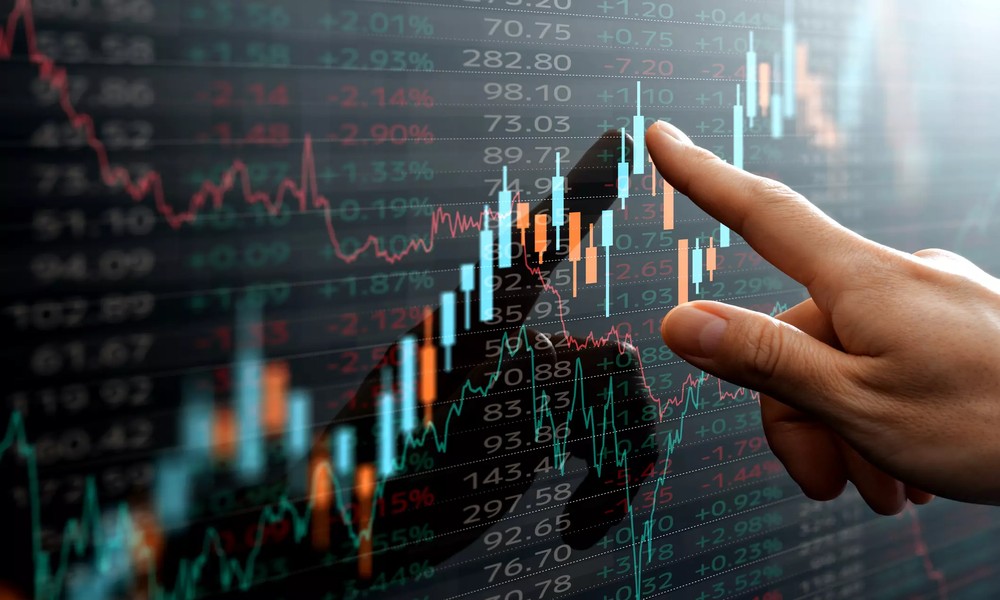
One of the most visible features of a share market app is live price tracking. Prices update continuously during share market hours, reflecting real-time demand and supply.
This real-time access helps users:
- Observe price movement as it happens
- Compare current prices with historical levels
- Understand intraday volatility
However, frequent price checks should serve awareness, not trigger impulsive decisions.
Portfolio Performance at a Glance
Beyond prices, a Share Market App consolidates portfolio data into an easy-to-read format. Users can view holdings, invested value, current value, and overall gains or losses.
This consolidated view simplifies:
- Tracking overall portfolio performance
- Identifying allocation imbalances
- Reviewing progress toward financial goals
Clear summaries reduce the need for spreadsheets or manual calculations.
Understanding Price vs Performance
Price movement and portfolio performance are related but not identical. A stock price may fluctuate daily, while long-term portfolio performance depends on holding period, allocation, and compounding.
A well-designed share market app helps separate noise from trends by presenting both short-term price changes and longer-term performance metrics. This distinction supports better decision-making.
Using Charts and Historical Data Wisely
Most share market apps offer charts showing price history over different timeframes. These visuals help users place current prices in context.
Effective use includes:
- Reviewing longer timeframes for perspective
- Avoiding overreaction to short-term fluctuations
- Comparing performance across periods
Charts are most useful when they support analysis rather than constant action.
Alerts and Notifications: Helpful or Harmful?
Alerts can notify users when prices reach predefined levels. Used selectively, alerts save time and reduce the need for constant checking.
However, excessive notifications can:
- Increase emotional reactions
- Encourage frequent trades
- Distract from long-term objectives
Setting limited, goal-oriented alerts keeps a Share Market App supportive rather than overwhelming.
Portfolio Allocation and Balance
A share market app often displays allocation across stocks or sectors. This overview helps users assess diversification and concentration risk.
Periodic allocation checks allow investors to:
- Identify overexposure to a single asset
- Rebalance when necessary
- Maintain alignment with risk tolerance
Allocation awareness is more valuable than daily profit and loss tracking.
Share Market Apps for Long-Term Investors
Long-term investors use share market apps differently from short-term traders. The focus is on periodic review rather than continuous monitoring.
Best practices include:
- Fixed review intervals (monthly or quarterly)
- Emphasis on progress toward goals
- Limited reaction to short-term volatility
Used this way, a Share Market App supports patience and consistency.
Impact on Short-Term Decision-Making
For active participants, share market apps provide immediate feedback on execution and positions. This can be useful but also risky if decisions become reaction-driven.
Clear rules for entry, exit, and position size help prevent emotional trading app triggered by constant updates. Discipline ensures that visibility improves outcomes rather than undermines them.
Data Accuracy and Transparency
Share market apps pull data directly from regulated systems, improving accuracy and reducing delays. Execution confirmations, position updates, and statements create a transparent audit trail.
This transparency:
- Builds trust in records
- Reduces uncertainty
- Simplifies reconciliation during reviews
Accurate data supports confident participation in the Share Market.
Security and Responsible Access
With digital access comes responsibility. Share market apps use encryption and authentication, but users must also protect their accounts.
Key practices include:
- Secure devices and credentials
- Regular statement review
- Awareness of unusual activity
Security ensures that visibility does not come at the cost of safety.
Common Mistakes to Avoid
Many users mistake frequent checking for effective management. This often leads to stress and unnecessary trades.
Avoid:
- Monitoring prices excessively
- Reacting to minor movements
- Ignoring long-term allocation
Clear rules and defined review schedules help avoid these pitfalls.
Integrating a Share Market App Into a Financial Plan
A Share Market App should complement a broader plan that defines goals, timelines, and acceptable risk. The app provides information; the plan determines action.
When aligned, the app becomes a monitoring and execution tool rather than a decision driver.
Conclusion
A Share Market App improves access to prices and portfolio performance by centralizing real-time data and clear reporting. When used thoughtfully, it enhances awareness, supports periodic review, and strengthens discipline in the Share Market. By focusing on allocation, long-term trends, and structured review rather than constant price checks, investors can use a share market app to stay informed without losing perspective.
FAQs
Is a share market app necessary for long-term investors?
It helps with monitoring and record-keeping, even for passive investors.
Do price alerts improve performance?
Only when used selectively and aligned with a plan.
How often should portfolios be reviewed on a share market app?
Monthly or quarterly reviews are sufficient for most long-term investors.
Can constant price tracking harm decision-making?
Yes. Overmonitoring often increases emotional reactions.