
Live shopping – the combination of live video streaming with real-time product purchasing – has been transforming retail in parts of Asia for several years and is now growing steadily in the UK market. Platforms including TikTok, Instagram and YouTube have all invested in live commerce features, and a growing number of British brands are exploring what the format can offer. For some, it represents a genuinely new revenue channel. For others, it may be a distraction. Understanding the format clearly is the starting point for making an informed decision.
How Live Shopping Works
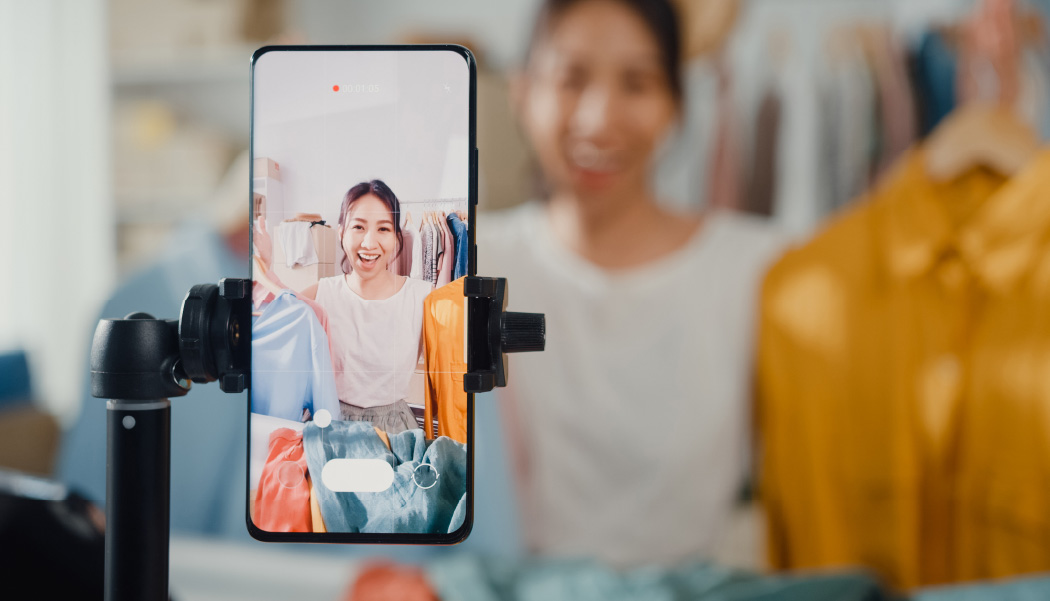
In a live shopping broadcast, a host – typically a brand representative, a founder, a specialist or a creator – presents products in real time while viewers watch and interact. Products are displayed with links or in-app purchase options that allow viewers to buy without leaving the platform. The host can answer questions, demonstrate products in use, share styling suggestions, or compare options – all in a format that is simultaneously entertainment and commerce.
The immediacy and interactivity of live shopping distinguish it from both traditional e-commerce and standard video content. The host responds to comments, acknowledges specific viewers, creates time-limited offers and builds a sense of occasion around the products being shown. This dynamic tends to create both higher conversion rates and higher average order values than static product pages.
Categories Where It Works Best
Live shopping has performed best in categories where demonstration, context and discovery matter – beauty, fashion, home, food, fitness equipment and consumer electronics all suit the format well. Products that benefit from being seen in use, that have a story worth telling, or that lend themselves to comparison and combination tend to generate stronger results than simple commodity items.
The format also favours brands with an engaged existing audience and a personality – either within the brand itself or through a creator relationship – that can carry extended live content. A brand with no community and no compelling voice will find it hard to make live shopping work regardless of the format’s inherent potential. Retail Economics has tracked the gradual growth of live commerce in the UK retail market, noting that early movers in certain categories are establishing significant audience advantages.
The Operational Requirements
Running live shopping broadcasts well requires more than pointing a phone at some products. Good lighting, reliable internet connectivity, clear audio, a rehearsed host, a product display that reads well on screen and a system for managing real-time orders and questions all need to be in place before going live. Many brands start with lower-stakes informal broadcasts to develop these capabilities before investing in more polished production.
Integration With Your Social Strategy
Live shopping works best as part of a broader social media strategy rather than a standalone channel. Building anticipation through regular posts before a broadcast, cross-promoting across platforms, and repurposing highlights from broadcasts as shorter content all extend the value of each live event. Consistent social media management from a company like 99social ensures these elements are coordinated effectively.
Live shopping is not the right channel for every brand. But for those with the right products, the right audience and the right personality to bring it to life, it represents a genuinely distinctive way to sell.