
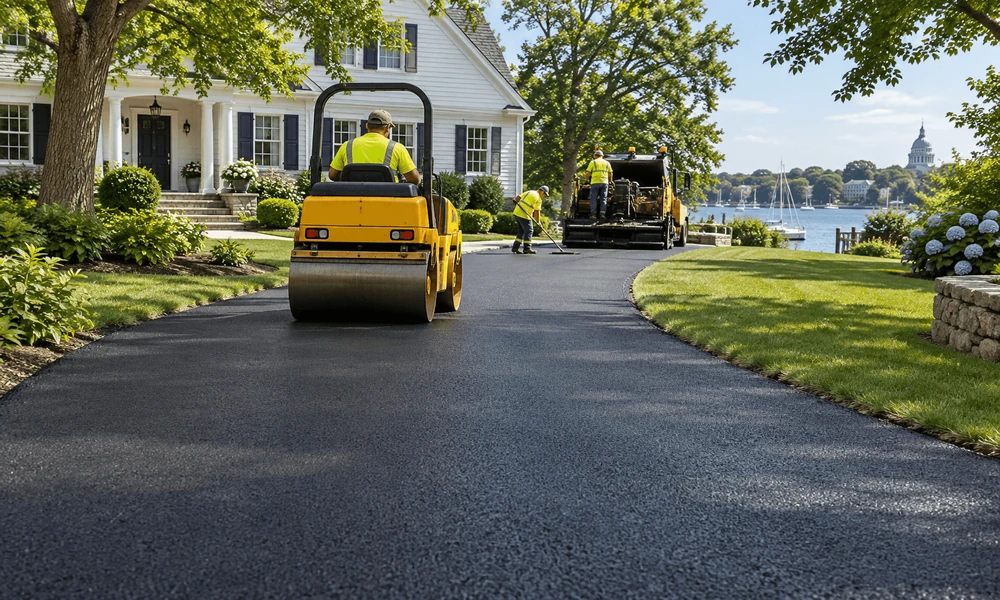
Asphalt is sensitive to temperature and moisture. It needs warm, dry conditions to bond, compact, and cure properly. In East Tennessee, those conditions change a lot from one season to the next.
Homeowners typing american paving paving companies knoxville tn into a search bar usually want to know one thing: when is the best time to schedule work, and what can go wrong if the timing is off? The honest answer depends on the season and the type of job.
Without a clear plan, projects get booked on the wrong week. Rain delays stack up, cold mornings ruin compaction, and surfaces fail years earlier than they should.
Why Planning Matters?
Experienced crews do not guess about weather. They follow set limits because asphalt behaves the same way every time conditions drop below a certain point.
- Pave only when air and ground temperatures stay above about 50°F.
- Avoid laying asphalt on wet or saturated soil.
- Allow at least 24 dry hours after sealcoating.
- Schedule large jobs during the most stable weeks of the year.
- Keep backup dates ready for rain delays.
Spring Rain Scheduling
Spring brings warmer days but frequent heavy rain in the Knoxville area. Crews watch multi-day forecasts and plan base work during dry windows. Water trapped under new asphalt weakens the base over time. The difficulty is that spring storms often arrive with little warning, which pushes projects back unexpectedly.
Summer Heat Management
Summer is the main paving season. Warm temperatures help asphalt compact smoothly. However, extreme heat can keep fresh surfaces soft longer than expected. Crews often start early in the morning and advise owners to keep vehicles off new driveways for a few extra days. Busy schedules also mean summer slots fill quickly.
Fall Window Planning
Early fall offers some of the best conditions of the year. Temperatures are moderate, and rain tends to ease. Many companies push to finish projects before November. The limitation is daylight. Shorter days reduce working hours, and cold snaps can end the season suddenly.
Winter Repair Focus
Full paving rarely happens in winter. Instead, crews focus on temporary pothole patches and planning for spring. Freeze and thaw cycles widen cracks quickly during these months. Cold patch repairs help, but they are short-term fixes that need replacing once weather warms.
Action Plan
- Book major paving between late spring and early fall.
- Ask the contractor about their weather delay policy.
- Fill small cracks before winter arrives.
- Schedule sealcoating during dry, warm weeks.
- Inspect surfaces each spring for winter damage.
- Plan the next project several months ahead.
Reality Check
Many property owners struggle because they wait until damage is obvious. By then, demand is high, and the best weather windows are taken. Some also choose the lowest bid from a crew willing to pave in poor conditions. When comparing american paving paving companies knoxville tn results, ask how each contractor handles cold or wet days. Weather patterns also shift from year to year, so last season’s timing may not repeat.
Long Term Improvement
Pavement lasts longest when maintenance follows a routine. Inspect surfaces every spring and fall. Seal cracks while they are small. Reseal driveways every two to three years. Keep simple records of each repair. These steady habits matter more than any single large project.
Frequently Asked Questions
- What is the best month to pave in Knoxville? Late spring through early fall usually offers the most reliable conditions.
- Can asphalt be laid in the rain? No. Moisture prevents proper bonding and weakens the surface.
- How soon can I drive on new asphalt? Most crews suggest waiting two to three days, longer in hot weather.
- Does winter damage driveways? Yes. Freeze and thaw cycles widen cracks and create potholes.
Good pavement does not depend on one perfect day. It depends on sensible timing, honest contractors, and regular upkeep carried out year after year.