
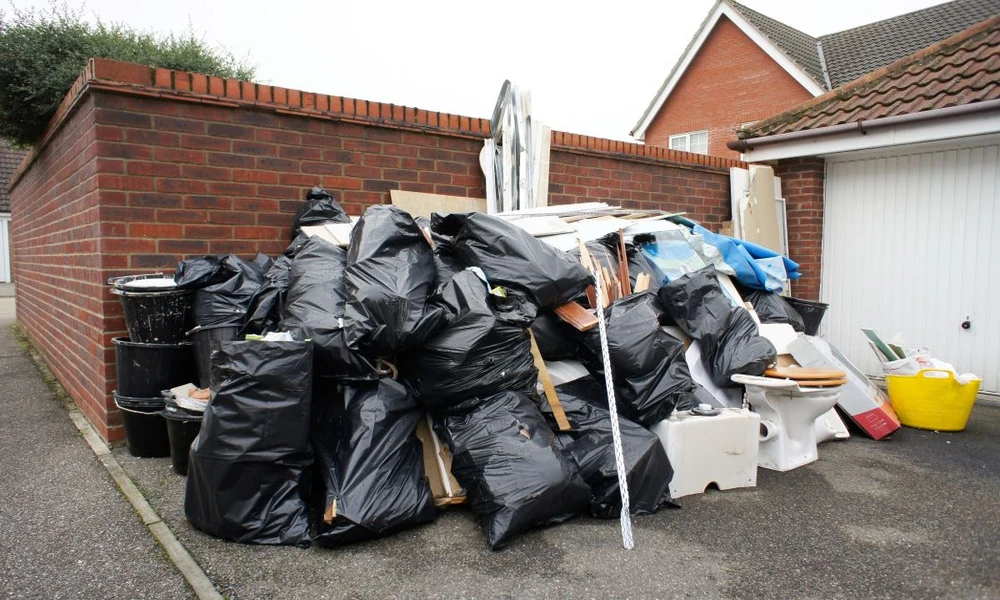
The phrase junk to clear usually gets tackled the day collection is booked, sorting and staging items only once a truck is already on the way, which is exactly the sequence that turns a straightforward job into a stressful one. Planning what actually needs clearing, where it currently sits, and what access a collection crew will need, a few days before booking, produces a considerably smoother result than sorting under time pressure on collection morning itself. A hassle-free approach to junk to clear starts well before the truck arrives, not on the day itself.
Sorting Before You Even Book a Service
Separating items into clearly keep, donate, and dispose piles before contacting any service gives an accurate sense of actual volume, which directly affects the quote received and the size of vehicle or crew needed. Booking a service first and sorting afterward routinely leads to an underestimated quote that needs revising once the crew actually arrives and sees the real volume involved.
Estimating Volume Accurately
Volume is usually priced by cubic metre or by vehicle load, and a rough estimate based on how many standard rooms’ worth of items are involved gives a more useful starting point than guessing at a specific number. Photographing the items to be cleared and sharing this with the service beforehand produces a considerably more accurate quote than a verbal description alone.
Access Considerations for Collection Day
Lift access, staircase width, and how far items need to be carried from their current location to the collection vehicle all affect how long a job takes and sometimes what it costs, particularly for a landed property or a unit without direct lift access. Flagging these details when booking, rather than leaving the crew to discover them on arrival, avoids delay and unexpected surcharges.
Scheduling Around Building Management Rules
Many condominiums and commercial buildings restrict bulky item collection to specific hours or require advance notice to building management, and confirming these rules before the collection date avoids a service arriving only to be turned away by security. This is a detail easy to overlook when focused purely on booking the removal itself rather than the surrounding logistics.
What Gets Separated for Recycling
Metal, electronics, and certain furniture components are frequently separated out for recycling rather than sent to general waste, and a reputable service will typically handle this separation as standard rather than sending everything to landfill regardless of material. Asking directly how a service handles recyclable material is a reasonable question that also indicates how responsibly the service generally operates.
Items That Need Special Handling
Mattresses, large appliances, and anything containing refrigerant or hazardous material sometimes require separate arrangement or an additional fee, since these items cannot always be handled through a standard general collection. Flagging any such items at the point of booking, rather than after the crew has already arrived expecting a standard load, prevents a job stalling partway through.
Getting an Accurate Quote Beforehand
A quote based on photos and an honest volume estimate, confirmed in writing before collection day, avoids the awkward situation of a price renegotiated upward once a crew is already on site and has effectively cornered the customer into accepting. Comparing quotes from more than one service, using the same information, surfaces meaningful price differences worth knowing about.
What Happens on Collection Day Itself
A well-planned collection typically takes under an hour for a standard residential clearance, with the crew handling carrying and loading while the resident simply confirms which items go and which stay. Having everything already sorted and staged near the collection point, rather than scattered through the property, is what actually keeps this part of the job quick.
Avoiding Common Last-Minute Problems
The most frequent last-minute issues are underestimated volume discovered on the day, building access not arranged in advance, and an item needing special handling that was not flagged when booking. Each of these traces back to insufficient planning before the collection date, not to anything the collection crew could have controlled once actually on site.
Deciding What Genuinely Needs to Go
The sorting stage is also where indecision creates the most delay, particularly for items with sentimental value or uncertain future usefulness that get set aside repeatedly rather than genuinely decided upon. Setting a firm rule in advance, such as anything not used in the past two years goes unless there is a specific concrete reason to keep it, removes much of the back-and-forth that otherwise stretches a single afternoon of sorting into several indecisive weekends spread across a month.
Involving the Whole Household in the Plan
A clearance affecting shared spaces or items belonging to more than one household member goes more smoothly when everyone affected is consulted before, not during, the sorting process, since a surprised family member discovering an item is already gone creates friction a little advance notice easily avoids. A short conversation before booking, confirming what everyone actually agrees can go, prevents this becoming a source of tension on what should otherwise be a straightforward task.
Planning Makes the Difference
A genuinely hassle-free approach to junk to clear comes down to sorting and estimating volume before booking, flagging access and special items upfront, and confirming a written quote in advance, rather than leaving these details to be sorted out on collection day itself. The planning takes an hour; skipping it routinely costs considerably more time and money on the day.