
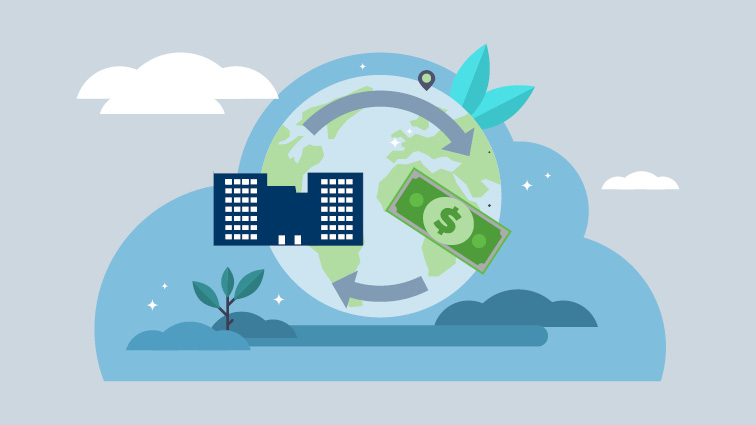
A lot of businesses own their buildings–but owning may not always be the best use of capital. When a business needs cash to grow, and debt limits the pace of expansion, entrepreneurs tend to consider other options. Sale leaseback real estate is an example of one of those strategies that is attracting attention; where a company sells its property and remains in the property as a tenant. It is pragmatic, time-saving, and adopted by more and more small and big companies.
Simplest Sale Leaseback Explanation
At its core, a sale leaseback begins with a sale of property. An investor then buys the building from the business. The business signs a long-term lease to operate out of that space right after.
Nothing changes operationally. It is the same staff, in the same facility, providing the same service. It involves a change in financial structure: now the company has cash rather than an illiquid real estate asset.
That’s what makes sale leaseback real estate attractive to corporations looking to free up capital without giving up stability.
Reasons to Consider a Sale Leaseback
But for most businesses, owning commercial property offers benefits without the equity tied up in the building helping serve day-to-day needs. Sale leasebacks also help free that value.
Major Advantages
- Both instant cash on a no debt basis
- No relocation, disruption, or downtime
- Tax-deductible rent payments
- Higher-quality balance sheet, enhancing lending software
- Fixed lease conditions for longer time frame planning
It works for businesses who require funding − for growth, capital items or to pay off expensive loans.
Inside the Deal: A Guide to the Transaction
Going through this process step-by-step gives insight on why this model is so effective.
Step 1: Property Evaluation
An appraisal assesses the value of the property in the market.
Step 2: Agreement on Terms
They are negotiated together and you will have the sale and lease on the same piece of paper. Investors are seeking a sure thing tenant; the business wants a long term tenant.
Step 3: Closing the Deal
The company sells the property, enters into a lease, typically a long-term triple-net lease, wherein the occupant is responsible for taxes, insurance, and maintenance.
Step 4: Treat Your Business As Usual
Now the company is doing business as usual − only with capital in hand.
It is this transparency that makes sale leaseback real estate transactions so complementary to both parties.
Who Benefits Most?
Everyone from entrepreneurs to large corporate tenants can benefit from sale leasebacks:
- Established companies with strong earnings
- Manufacturers and industrial facilities
- Medical practices and clinics
- Retailers with high-value locations
- Family-owned businesses seeking expansion capital
- For those companies in preparation for succession or ownership transitions
For a business that owns its building but seeks greater cash flow or liquidity, a sale leaseback is a viable option.
Important Points to Consider
In summary, sale leasebacks can be helpful, but they should be executed with care.
Think about:
- Future rent obligations
- Impact on long-term financial goals
- If fixed rent suits your anticipated earnings
- How you will be using the freed-up capital
It is a good approach for landlords who are sure of their long-term holding of the property.
Final Thoughts
Sale lease back real estate is a great mix of stability and cash flow potential. It gives the business the ability to access this capital while maintaining the flexibility in operating the business without jeopardizing the business. A sale leaseback is not a deal − it is a growth and financial strategy to help companies who are ready to grow, pay down debt, or simply reinforce the cash position of their businesses.